Source heart rate monitoring smart watch for fitness, health, and sports
Find 30 listings for heart rate monitoring smart watch featuring TFT, AMOLED, and IPS displays with Bluetooth and water resistance. Compare models like D20, YS59, and SK-14 to select the right device for communication and detection needs.
Key considerations
Products List


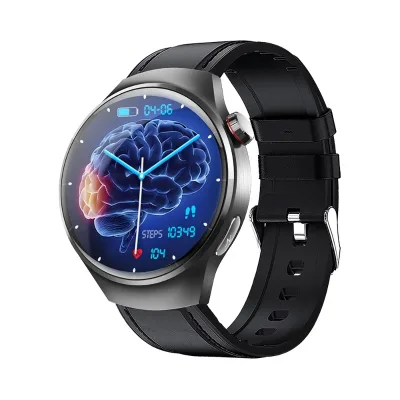


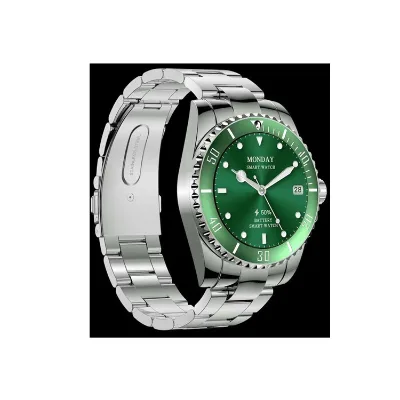


Comprehensive Sourcing Guide
Strategic Sourcing Guide for Heart Rate Monitoring Smart Watches
Understanding the Core Product Landscape and Technical Specifications
The market for heart rate monitoring smart watches is characterized by a diverse array of technical configurations, ranging from basic fitness trackers to advanced communication devices. When sourcing these products, buyers must first navigate the varying display technologies and material compositions that define product performance. The observed product data indicates a significant variation in display types, with options including TFT, AMOLED, IPS, and OLED panels. Each display technology offers distinct advantages; for instance, AMOLED and OLED screens typically provide superior contrast and color accuracy, which is critical for reading health metrics in various lighting conditions, while TFT and IPS panels may offer cost-effective solutions for entry-level models.
Material selection is equally critical for durability and user comfort. The supply base demonstrates the use of silicone for wrist bands, which is a standard choice due to its flexibility, hypoallergenic properties, and suitability for active wear. However, stainless steel is also observed as a primary material, often used for the watch case or band in more premium or fashion-oriented segments. The physical dimensions of these devices vary widely, with specific model observations noting compact sizes such as 1282.9cm and larger, more robust units measuring up to 44.537.811.7mm. Weight is another key specification, with some units observed at 200g, a factor that influences long-term wearability.
Connectivity features are a primary driver for the "smart" aspect of these devices. The available data highlights a spectrum of communication capabilities, from devices supporting Bluetooth and Wi-Fi to those with 3G connectivity. A notable segment of the market includes models with a "No Cards Allowed" communication type, suggesting a reliance on direct pairing with smartphones rather than independent cellular networks. The operating mode is frequently a hybrid of touch and push button interfaces, ensuring usability even when the screen is wet or when the user is wearing gloves. The shape of the watch face also varies, with round dials being a traditional preference and geometric shapes offering a modern, distinctive aesthetic.
Compliance, Certification, and Regulatory Verification
When importing heart rate monitoring smart watches, particularly those originating from China, buyers must rigorously verify compliance with international safety and electromagnetic standards. While specific certification documents are not listed in the product observations, the presence of features like water resistance, Bluetooth, and 3G connectivity necessitates adherence to specific regulatory frameworks. Buyers should verify that suppliers possess valid certifications for radio frequency (RF) compliance, such as FCC for the United States or CE for the European Union, to ensure the devices can legally be sold in target markets.
Water resistance is a critical feature for health and fitness devices, yet the degree of protection varies. The observed product attributes mention "Water Resistant" as a general feature, but without specific IP (Ingress Protection) ratings in the provided data, buyers must request detailed test reports. A device marketed for swimming requires a significantly higher water resistance rating (e.g., IP68 or 5ATM) compared to one designed only for sweat and rain. Similarly, the presence of a microphone and SDK (Software Development Kit) availability implies complex software integration, which may trigger additional software compliance requirements regarding data privacy and security, especially when the device collects biometric data like heart rate.
Buyers should also scrutinize the "All Season" standard observed in some product listings. This term is often a marketing descriptor rather than a technical standard. It is essential to clarify what environmental conditions the device is rated for, including temperature ranges for battery operation and material durability. For devices claiming anti-impact and anti-fluid corrosion properties, third-party laboratory test results are necessary to validate these claims. Without specific numerical data on impact resistance or corrosion testing in the source material, the procurement strategy must prioritize requesting these test certificates from the supplier before finalizing any order.
Cost Drivers and Pricing Dynamics
The pricing structure for heart rate monitoring smart watches is influenced by a complex interplay of component costs, customization levels, and order volume. The observed price range in the market spans from 1 to 42 USD, indicating a highly competitive and segmented market. At the lower end of this spectrum, products likely utilize lower-cost displays like TFT, basic silicone bands, and minimal connectivity features. Conversely, models priced towards the higher end typically incorporate AMOLED or OLED displays, stainless steel components, and advanced communication protocols like 3G or Wi-Fi.
Customization is a significant cost driver. The product data confirms that customization is available, with options for color (as picture or customized) and specific model configurations. Customizing the packaging, such as moving from a neutral cardboard box to a branded gift box or carton, adds to the unit cost. Furthermore, the availability of SDKs and app control features suggests that software development and integration costs are factored into the price. Buyers should anticipate that models with "No Cards Allowed" communication types may have different cost structures compared to those with independent cellular capabilities, as the latter require more expensive modems and antenna systems.
Order volume plays a pivotal role in determining the final landed cost. The observed Minimum Order Quantity (MOQ) ranges from 1 to 1000 units, with specific instances of 30 pieces noted. This wide range suggests that suppliers are willing to accommodate both trial orders and large-scale procurement. However, the unit price is likely to decrease as the order volume increases, a standard economic principle in B2B manufacturing. Buyers should also consider the payment terms, with T/T (Telegraphic Transfer) being a standard method observed. The financial terms and the timing of payments can impact the overall cost of capital and cash flow management for the procurement team.
Typical Applications and Usage Scenarios
The versatility of heart rate monitoring smart watches allows them to serve multiple applications across different sectors. The primary usage categories identified in the product data are communication and detection. In the context of communication, these devices function as extensions of the user's smartphone, allowing for call management, message notifications, and app control without needing to handle the phone directly. This is particularly valuable for professionals who need to stay connected while their hands are occupied.
The "Detection" usage category points to the health and fitness monitoring capabilities of these devices. Heart rate monitoring is a core function in this segment, enabling users to track their cardiovascular health during workouts, monitor sleep patterns, and detect potential health anomalies. The combination of water resistance and durable materials like silicone and stainless steel makes these devices suitable for active lifestyles, including swimming, running, and gym workouts. The "All Season" attribute suggests that these devices are designed to perform reliably in various weather conditions, making them suitable for outdoor enthusiasts.
Furthermore, the availability of SDKs and app control features opens up opportunities for specialized applications. Developers can integrate these devices into custom health management systems, corporate wellness programs, or even industrial safety monitoring solutions. The "Anti-Impact" and "Anti-fluid corrosion" features make them viable for use in rugged environments where standard consumer electronics might fail. The "Geometric" and "Round" dial styles also allow for customization to fit specific brand identities or fashion trends, expanding their application into lifestyle and fashion sectors.
Supplier Evaluation and Operational Capabilities
Evaluating suppliers for heart rate monitoring smart watches requires a deep dive into their operational capabilities and logistical strengths. The product data indicates that the origin of these devices is China, with Ningbo Port listed as a common shipping location. This suggests a well-established manufacturing ecosystem in the region, known for its efficiency in electronics production. Buyers should verify the supplier's production capacity to ensure they can meet demand, especially given the wide MOQ range observed.
The packing methods observed, including neutral cardboard boxes, gift boxes, cartons, and carton boxes, indicate flexibility in logistics. However, the choice of packaging impacts shipping costs and product protection. For international shipments, sturdy carton packaging is often preferred to prevent damage during transit. Buyers should also assess the supplier's ability to handle customization requests, as the data confirms that color and packing can be tailored. This flexibility is crucial for brands looking to differentiate their products in a crowded market.
Payment terms are another critical factor in supplier evaluation. The observation of T/T as a payment method is standard, but buyers should negotiate terms that protect their interests, such as partial payments before and after shipment. The lead time, while not explicitly quantified in the provided data, is a vital metric for supply chain planning. Buyers should request clear lead time estimates based on order volume and customization requirements to avoid delays. Additionally, the presence of specific model numbers like D20, YS59, YS15PLUS, and SK-14 suggests a diverse product portfolio, allowing buyers to compare different suppliers based on their specific model offerings and technical specifications.
Quality Control and Long-Term Procurement Considerations
Implementing a robust quality control (QC) strategy is essential for mitigating risks associated with sourcing smart watches. Given the variation in display types, materials, and connectivity features, a one-size-fits-all QC approach is insufficient. Buyers should establish specific acceptance criteria for each product attribute. For example, display quality checks should include testing for dead pixels, color accuracy, and touch responsiveness. Material inspections should verify the durability of silicone straps and the finish of stainless steel components.
For devices claiming water resistance, pre-shipment testing is mandatory. Buyers should require suppliers to conduct water immersion tests according to relevant standards and provide detailed reports. Similarly, for features like Bluetooth and 3G connectivity, functional testing in real-world scenarios is necessary to ensure reliable performance. The "Anti-Impact" and "Anti-fluid corrosion" claims also require physical testing to validate the product's resilience against drops and exposure to chemicals or moisture.
Long-term procurement considerations involve building a sustainable relationship with suppliers. The wide MOQ range offers flexibility, but buyers should aim to stabilize their order volumes to secure better pricing and priority production slots. Regular communication regarding product updates, such as new models or improved features, is vital. Buyers should also monitor the supply chain for potential disruptions, such as component shortages or logistical bottlenecks. By maintaining a proactive approach to quality control and supplier management, buyers can ensure a steady supply of high-quality heart rate monitoring smart watches that meet their specific market needs.
Comparative Analysis of Key Product Attributes
To facilitate informed decision-making, the following table summarizes the key product attributes observed in the market, highlighting the variations that buyers should consider during the sourcing process.
| Attribute Category | Observed Variations | Sourcing Implication |
|---|---|---|
| Display Technology | TFT, AMOLED, IPS, OLED | AMOLED/OLED for premium visual quality; TFT/IPS for cost efficiency. |
| Wrist Band Material | Silicone Strap, Stainless Steel | Silicone for comfort and sports; Stainless steel for durability and style. |
| Connectivity | Bluetooth, Wi-Fi, 3G, No Cards | 3G/Wi-Fi for independent use; Bluetooth for smartphone pairing. |
| Water Resistance | General "Water Resistant" | Verify specific IP ratings; critical for swimming or heavy sweat. |
| Packaging | Neutral Box, Gift Box, Carton | Custom packaging adds cost but enhances brand value; Cartons for shipping. |
| Operating Mode | Touch + Push Button | Hybrid interface ensures usability in various conditions. |
| Dimensions | 1282.9cm to 44.537.811.7 | Size affects wearability and internal component capacity. |
| Customization | Color, Packing, Model | Available; allows for brand differentiation and specific market needs. |
This comparative overview underscores the importance of aligning product specifications with the intended application and target market. By carefully evaluating these attributes, buyers can select the most suitable heart rate monitoring smart watches that balance performance, cost, and quality.
FAQs
What display technologies are available for heart rate monitoring smart watches?
Available display technologies include TFT, AMOLED, IPS, and OLED panels. Buyers should select AMOLED or OLED for superior contrast in health metrics, while TFT and IPS offer cost-effective solutions for entry-level models depending on budget and usage needs.
Which materials are used for the wrist bands and cases of these watches?
Wrist bands are commonly made of silicone for flexibility and hypoallergenic properties, while cases may use stainless steel for a premium look. The choice between silicone and stainless steel depends on the desired comfort level and fashion orientation of the final product.
Can these devices operate without a SIM card for communication?
Yes, some models support a No Cards Allowed communication type, relying on direct smartphone pairing via Bluetooth. This configuration is suitable for users who prefer connected devices that do not require independent cellular networks or SIM card slots.
What is the typical minimum order quantity for sourcing these smart watches?
The minimum order quantity ranges from 1 to 1000 units, with specific instances of 30 pieces observed. Buyers can negotiate based on volume, as unit prices often decrease with larger orders while maintaining flexibility for trial runs.
How does customization affect the pricing and packaging of these watches?
Customization is available for colors, packaging types like gift boxes, and specific model configurations, which increases unit costs. Moving from neutral cardboard boxes to branded packaging adds to the expense, so buyers should budget accordingly for tailored requirements.
What connectivity features are commonly found in these heart rate monitoring devices?
Common features include Bluetooth, Wi-Fi, and 3G connectivity, with some models also offering microphone and SDK availability. These features enable app control and direct communication, though the specific combination depends on the model's price point and intended functionality.